


154. Old-Squaw. Harelda Hyemails
Description
This section is from the book "The Bird Book", by Chester A. Reed. Also available from Amazon: The Bird Book.
154. Old-Squaw. Harelda Hyemails
Range. - Northern Hemisphere, breeding in the
Arctic regions; south in winter to New Jersey and Illinois.
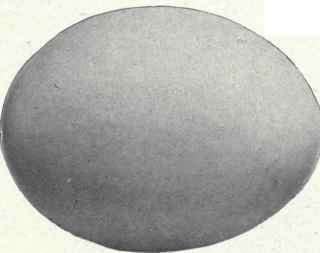
The Long-tailed Duck, as it is called, is especially noticeable because the breeding plumage of the male differs markedly from that in the winter. In summer their general plumage is blackish brown, with a white patch around the eye, and white belly. In winter they are largely white. The central tail feathers are much lengthened. They breed abundantly in Greenland, Alaska and the Hudson Bay Territory, placing their nests of grasses and weeds on the ground near the water. It is generally concealed in the long grass. The eggs number from six to twelve. Size 2. x 1.50. Data. - N. Iceland, June 10,1900. Nest on ground, lined with down. Collector, S. H. Wallis.

Buffle-head. Old-squaw.
Buff.

Continue to:


My Books

