


585. Fox Sparrow. Passerella Iliaca Iliaca
Description
This section is from the book "The Bird Book", by Chester A. Reed. Also available from Amazon: The Bird Book.
585. Fox Sparrow. Passerella Iliaca Iliaca
Range. - Eastern North America, Breeding from southern Canada northward, and northwest to Alaska; winters in southern United States.
This large handsome species, with its mottled grayish and reddish brown plumage and bright rufous tail, is very common in eastern United States during migrations, being found in open woods and hedges in company with Juncos and White-throated Sparrows, with which species their song vies in sweetness. They nest usually on the ground, but sometimes in low bushes; the nests are made of grasses and are concealed beneath the overhanging branches of bushes or evergreens. The three or four eggs are greenish-white, spotted and blotched with brown. Size .94 x .68.
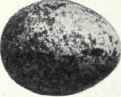
Greenish white.
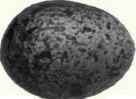
Greenish white.


Fox Sparrow.
585a. Shumagin Fox Sparrow. Passerella Iliaca Unalaschensis
Range. - Shumagin Islands and the Alaska coast to Cook Inlet.
Similar to the last but paler, being one of the several recent unsatisfactory subdivisions of this genus. The nesting habits and eggs of all the varieties are like those of the common eastern form.
585b. Thick-Billed Sparrow. Passerella Iliaca Megarhyncha
Range. - Mountains of eastern California and western Nevada; locally confined.
Entire upper parts and breast spots gray; wings and tail brown. It nests in the heaviest underbrush of the mountain sides, building on or close to the ground.
585c. Slate-Colored Sparrow. Passerella Iliaca Schistacea
Range. - Rocky Mountain region, breeding from Colorado to British Columbia.
This variety which is similar to, but smaller than the last, nests in thickets along the mountain streams. The eggs are like those of iliaca, but average smaller.
585d. Stephen's Sparrow. Passerella Iliaca Stephensi
Range. - Breeds in the San Bernadino and San Jacinto Mts. in southern Cali fornia. Like the Thick-billed Sparrow, but bill still larger and bird slightly so.
585e. Sooty Fox Sparrow. Passerella Iliaca Fuliginosa
Range. - Coast of Washington and British Columbia; south to California in winter.
585f. Kadiak Fox Sparrow. Passerella Iliaca Insularis
Range. - Breeding on Kadiak Island; winters south to California. Like the last but browner above and below.
585g. Townsend's Fox Sparrow. Passerella Iliaca Townsendi
Range. - Southern coast of Alaska; winters south to California. Like the last but more rufous above.
Upperparts and tail uniform brownish umber, below heavily spotted.
Continue to:


My Books

