


Dentition Of The Horse At Various Ages - III
Description
This section is from the book "The Horse - Its Treatment In Health And Disease", by J. Wortley Axe. Also available from Amazon: The Horse. Its Treatment In Health And Disease.
Dentition Of The Horse At Various Ages - III
A. Two-year-old Hackney (female).
1, 2, 3. Temporary molars. 4, 5. Permanent molars.
6. Permanent molar (uncut).
7, 8, 9. Crowns of temporary molars.
10, 11. Crowns of 4th and 5th permanent molars.
12, 13, 14. Central, lateral, and corner temporary incisors.
B. Three-year-old Cart Horse (male).
Upper Jaw
1. Permanent molar.
2, 3. Temporary molars.
4, 5, 6. Permanent molars.
7. Crown of 1st permanent molar.
8, 9. Crowns of 2nd and 3rd temporary molars.
10, 11, 12. Crowns of 4th, 5th, and 6th permanent molars.
13, Central permanent incisor.
14, 15. Lateral and corner temporary incisors. 16. Tusk.
Lower Jaw 1, 2. 1st and 2nd permanent molars.
3. 3rd temporary molar.
4, 5, 6. Permanent molars.
7, 8. Crowns of two first permanent molars.
9. Crown of 3rd temporary molar.
10, 11, 12. Crowns of 4th, 5th, and 6th permanent molars.
13. Central permanent incisor.
14, 15. Lateral and corner temporary incisors. 16. Tusk.
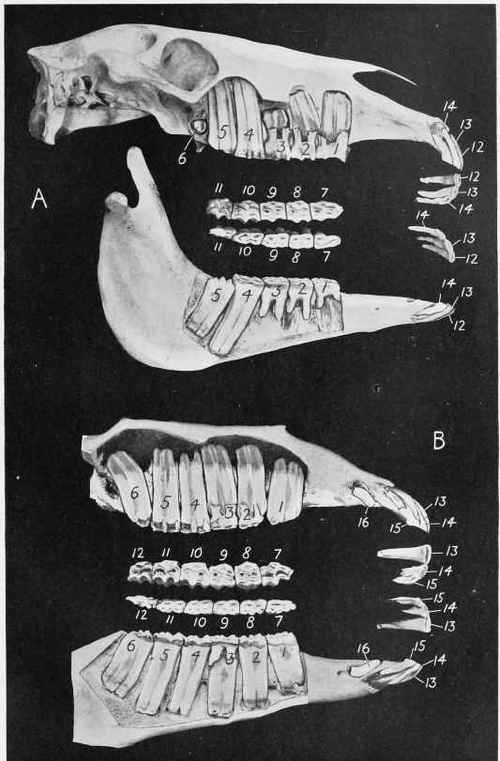
PLATE LXV. DENTITION OF THE HORSE AT VARIOUS AGES - III.
A. Two-year-old Hackney (female). B. Three-year-old Cart Horse (male).
Meanwhile the first and second pre-molars (temporary) have been passing through the same changes as those which have been described in the four central temporary incisors, and at the age of three years there are eight new molar teeth, two on each side in both jaws, top and bottom. These recently-cut permanent pre-molars are distinguished by their surfaces being comparatively free from wear, while the molars behind them are worn quite flat.
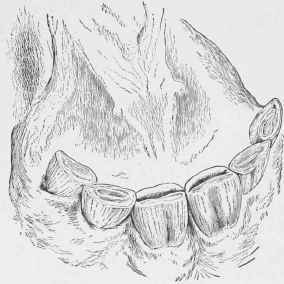
Fig. 609. - Incisors of Horse at three years.
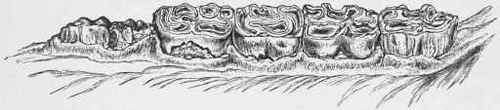
Fig. 610. - Molars of Horse at two years and seven months.
The illustration (fig. 610) shows the state of the molars at two years and seven months.
The next changes affect the lateral temporary incisors, top and bottom, and the third pre-molar (temporary), and include the eruption of a sixth molar at the back of the mouth, which is cut at the same time as the third pre-molar. The tusks in the horse are also frequently cut at four years, although they are not well developed until five. The next two illustrations show the condition of the molar teeth at three years and eight months (fig. 611), and the state of the incisors at four years (fig. 612).
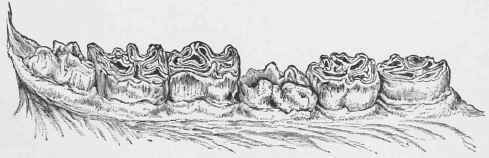
Fig. 611. - Molars of Horse at three years and eight months.
Thus, during the fourth year of its life, the horse has sixteen permanent teeth advancing, and the eruption is often completed by the end of the year. In short, the permanent dentition is completed, excepting the corner teeth, which are changed for permanent during the following year; at five years old, therefore, the condition of the front of the. mouth will correspond to the next drawing (fig. 613).
The corner tooth at this age is distinguished by a peculiar shell-like appearance. The posterior edge is considerably lower than the anterior edge, which is the only part of the tooth on which the effects of wear are apparent. The tables of the central and lateral incisors are fully formed, the central cavity being surrounded by a continuous line of worn surface. In the central incisors the central cavity is extremely shallow.
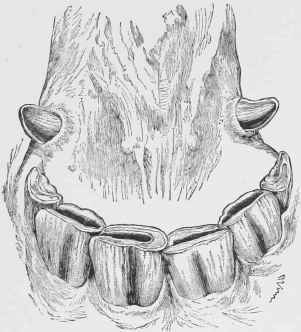
Fig. 612. - Incisors of Horse at four years.
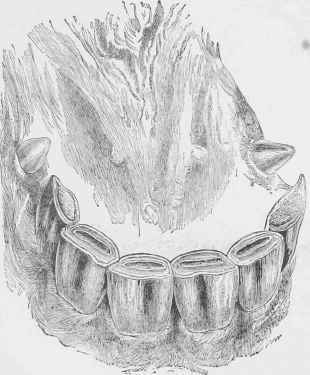
Fig. 613. - Incisors of Horse at five years.
With the changes above described, the evidence afforded during permanent dentition is completed.
Continue to:


My Books

