


(155). How To Mold Quenelles With A Spoon, Either Plain, Filled Or Rolled In Flour (Pour Mouler Les Quenelles A La Cuillere, Simples, Fourrees Ou Roulees A La Farine)
Description
This section is from the book "The Epicurean", by Charles Ranhofer. Also available from Amazon: The Epicurean, a Complete Treatise of Analytical and Practical Studies on the Culinary Art.
(155). How To Mold Quenelles With A Spoon, Either Plain, Filled Or Rolled In Flour (Pour Mouler Les Quenelles A La Cuillere, Simples, Fourrees Ou Roulees A La Farine)
Select two common, large and very thin iron soup spoons, put one of these into a small panful of hot water, and taking the other in the left hand till the hollow center with the forcemeat, smooth the top with the blade of a small knife dipped in tepid water, arranging it in such a manner that there is as much forcemeat above as below the level of the spoon, then remove the quenelles with the hot spoon sliding it beneath the forcemeat, then slip it at once on to the bottom of a buttered sauteing pan, without turning it over, so that the same side is on top. If the quenelles are wanted filled, prepare a montglas composed of mushrooms, tongue, truffles or foies-gras; thicken it with some very compact reduced, good brown sauce, so that when cold the preparation can be divided into small parts, and rolled into olive shaped pieces in the hand; in this case, when the spoon is filled with forcemeat, make a small hole with the finger on the surface so as to insert the montglas, salpieon or puree, cover over with more forcemeat, being careful that it is the same thickness all over the filling, smooth it down nicely, and remove the quenelle with the hot spoon to slip it on to the bottom of a buttered sauteing pan without turning it over.
Generally for one pound it will take eight large soup-spoonfuls, or sixteen dessert-spoons, or thirty-two tea-spoons, or sixty-four coffee-spoons. Poach these quenelles by pouring hot water into the sauteing pan beside the quenelles, and set the pan on the lire to bring it to boiling point; at the first boil, move it on one side, so that the water only simmers for six to fourteen minutes, according to their size. Lift the quenelles with a skimmer, and drain them on a cloth before using them.

Fig. 80.
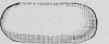
Fig. 81.
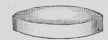
Fig. 82.

Fig. 83.

Fig 84.
How To Prepare Quenelles Rolled In Flour
Divide some game, chicken or fish forcemeat into pieces; roll each one on a flour dredged table into strings three-quarters of an inch in diameter; cut these into pieces three-quarters of an inch long; roll them on the table to give each one the shape of an olive or small egg half an inch in thickness and one inch in length. Larger ones can be made of Godiveau an inch and three-quarters long by five-eighths in thickness. Poach the quenelles in boiling water with salt added to it. The Godiveau quenelles are poached by ranging them at equal distances on a baking tin covered with a sheet of paper, then placing it in a very slack oven.
Continue to:


My Books

