


January - First And Second Weeks. Flowers
Description
This section is from the book "The Garden Week By Week Throughout The Year", by Walter P. Wright. Also available from Amazon: The Garden Week by Week Throughout the Year.
January - First And Second Weeks. Flowers
There is work to be done among greenhouse plants, and also in raising plants for later use in the flower garden.
Begonias [Tuberous)
There are few more beautiful late-flowering garden plants than the tuberous Begonia, and it will bloom the same year if seeds are sown in January in a warm house, and the plants handled properly afterwards. Seed of both single and double strains can be bought, and it is wise to buy it in mixture - I do not mean singles and doubles mixed, but mixed varieties of each section. One gets a lovely display of brilliant flowers if the strain is good. Seedling Begonias always progress slowly towards the flowering stage, because before we can get stem and leaves we must get the tuber, and that must have time to form and grow. It is for this reason that I advocate January sowing.
Sowing Small Seeds
Seed of tuberous Begonias, as of some other plants, such as herbaceous Calceolarias, which I shall have occasion to refer to later, is very small indeed, and needs to be handled with care, or it will be irretrievably scattered. The packets of small-seeded plants should be left unopened until the receptacles for them are ready, so that the risk of the seed being lost is minimised. The surface soil should be very fine, moist, and perfectly level It is a good plan to cover it with a film of damp silver sand, as this shows up coloured seeds even if very small, and acts as a safeguard against thick sowing; moreover, it prevents the seed being sown unevenly. It is not necessary to cover the seed, either with sand or soil, but a few flakes of clean, fresh, damp moss may be laid over it, provided the raiser can trust himself to recollect the necessity for removing them as soon as the young shoots begin to appear. A square of glass shaded with brown paper (which may give place to a piece of white paper when germination has taken place) should be placed over the receptacle.

Fig. 1. - Sowing Small Seeds in a Box or Pan.
a. Drainage. b. Compost. c. Surface of soil made fine and level for seeds.
Care Of Seedlings
Tiny seedlings of choice plants require constant attention, but they are no more likely to die than young Cabbages if the grower will only learn correct watering and ventilation. He must see that the soil does not get quite dry, and remain so for several hours; on the other hand, he must not flood the plants with water at regular intervals. Watering will not be wanted more than once a day in winter, if that, and it is very little trouble to lower the seed pan into a vessel of lukewarm water, and hold it there, immersed to the level of the seedlings within, until the water has percolated through and moistened the surface. When the pot is withdrawn it should be held over the tub until the water has run back again. Air is essential, but cold draughts are bad. "Propagators " (close, heated boxes or pits) are very good for starting plants, but are not good for growing them, because of the want of air. Seedlings raised in propagators should be removed early, and put on an airy stage or shelf near the glass.
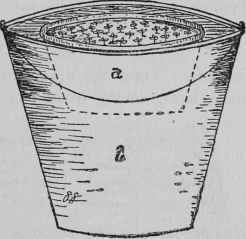
Fig. 2. - Watering Seedlings by Immersion.
a. Pan containing seedlings held down in a pail of water, b.
Continue to:


My Books

