


a. Obesity from Overfeeding - Genesis Of Obesity
Description
This section is from the book "Part 9. Technique Of Reduction Cures And Gout - On the Pathology and Therapy of Disorders of Metabolism and Nutrition", by Prof. Dr. Carl von Noorden. Also available from Amazon: Clinical Treatises On the Pathology and Therapy of Disorders of Metabolism and Nutrition, Part 9
a. Obesity from Overfeeding - Genesis Of Obesity
The Consumption of Energy Remains the Same, but the Food Intake Increases.-For one or the other reason, as I will illustrate later on by specific examples, more nourishment than is really necessary is taken. We will assume that the daily plus, that is, the excess above the maintenance diet, amounts on an average to 200 calories. This sum is contained in 1/3 litre of milk or 25 g of butter or 200 g fat-free meat or 145 g moderately fat meat or 70 g white bread or 4/10 litres of beer, etc.
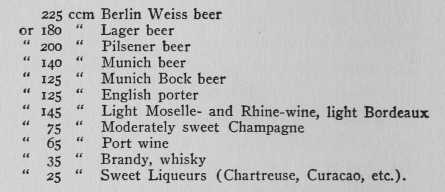
After deduction of the incidental expenditures of energy (see Vol. VIII), these additions to the diet in excess of the maintenance diet produce a daily addition of about 20 g. of fat, that is, in a year of 7.3 kg. of fat; and in so far as fat is always deposited in conjunction with other substances, in particular water, an increase in weight (adipose tissue) of about 10 kg. Such slight increases in the intake of energy (only 200 calories per diem) are rarely the result of increasing the bulk of the diet; that is, the volume of the daily food intake remains approximately the same, but its composition becomes changed. Let us assume that a bachelor, who has been used to eating in restaurants, marries. At home the food is usually prepared with more fat than in a restaurant; often also more is eaten because more time is spent at meals and because favorite dishes are more frequently served. But, even if this is not the case, the greater amount of fat in the home diet renders it more nutritious and increases its caloric value. Or the habit is formed of drinking a glass of beer with friends before supper. The beer is added to a diet that heretofore constituted a maintenance diet and in an imperceptible but steady manner leads to the ingestion of more calories. If at the end of a long period of time the individual is weighed the effect of this small addition to the daily caloric intake is truly astonishing. Examples of this kind could readily be multiplied, but it is unnecessary to outline all the possibilities. I only wish to call particular attention again to the importance of alcohol. Alcoholic beverages are particularly dangerous on account of their tendency to increase obesity, chiefly because they are not used in the place of other articles of food, but are generally added to a diet that in itself is already sufficient to maintain nutrition. Under these circumstances the complete caloric value of the alcohol becomes utilized as a means of fattening. I have already previously explained that 93 g. of alcohol protect 70 g. of fat from combustion; and this amount of fat, provided the rest of the diet already attains the level of a maintenance diet, is actually spared and stored each day. Naturally this effect is increased still more when with the surplus alcohol certain other nutritive materials as, for instance, the carbohydrates in beer are introduced. The following beverages represent 93 calories (alcohol plus carbohydrate) and would produce a sparing of 10 g. of fat:
Continue to:


My Books

