


Goliah Aratoo
Description
This section is from the book "Parrots", by Prideaux John Selby. See also: Alex & Me: How a Scientist and a Parrot Uncovered a Hidden World of Animal Intelligence.
Goliah Aratoo
Microglossia aterrimus. - WAGLER.
Microglossus aterrimus, Wagler, Mon. Psitt. in Abhand. etc., p. 682, sp. 1, Vieill. Gal. des Ois, tab. 50 - Psittacusgigas, Lath. Ind. Orn. i. p. 107, sp. 75. - Psitt. aterrimus, Gmel. i. p. 330; Kuhly Consp. p. 93, sp. 165 - Psitt. Goliah, Kuhl's Consp. Psitt. in Nov. Act., etc., p. 92, sp. 166. - Great Black Cockatoo, Edwards, pl. 316. - Black Cockatoo, Shaw, viii. 274, p. 71.
In size it is one of the largest of the known Psit-ticidae, being equal, if not superior to the Red and Yellow Maccaw. The first description we have of it is that of Edwards, though he mentions that a previous figure, apparently of the same species, had appeared in a small book of prints of birds, drawn from the life, and published by S. Vander Meulen at Amsterdam in 1707. Long, however, as it appears to have been noticed, we are still ignorant of the essential parts of its history, viz. its habits and peculiar economy, which the unusual form of the tongue and other modifications of character would intimate to he widely different from those of the genus last described. It is a native of Papua, Waigeoa, New Guinea, and other eastern Australian islands.
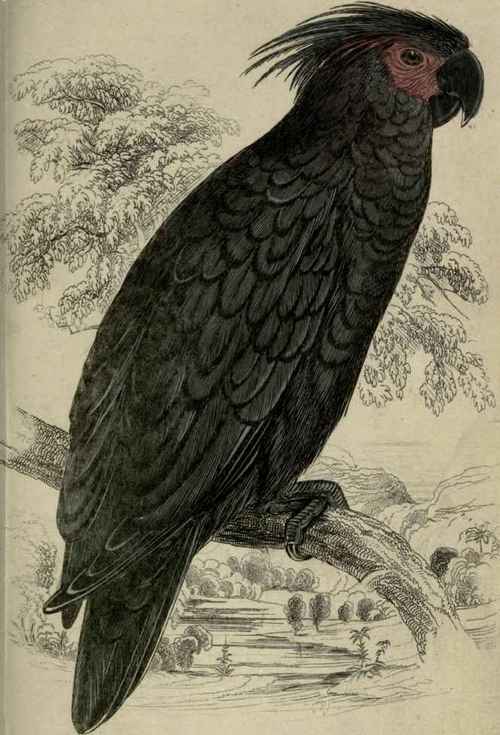
Plate 16. Microglossus Aterrimus. Goliah Aratoo.
E Leardel.
Native of Paupa.
Lizars se.
The bill, as represented in the figure, is very large, with the tip long and very acute, projecting far beyond the under, which is small and weak in comparison. The orbits and cheeks are covered with a naked red wrinkled skin, the crest is of a greyish colour, long, composed of narrow feathers, and which the bird can erect at pleasure. The whole of the plumage is black, but glossed with a greenish-grey tinge in the living bird, from the quantity of a white powdering substance interspersed among the feathers. In museums, the specimens are observed to vary considerably in size; and Kuhl goes so far as to consider the larger individuals as constituting a species distinct from the lesser, characterising the former by the title of Psiitacus Goliah, the smaller by that of P. aterrimus. Further observation, however is required to verify the views of this ornithologist, and for the present we adhere to Wagler's opinion, who considered them as identical.
In this subfamily, or in close connection with it, according to Wagler, is another remarkable form, to which he gives the generic title of Dasyptilus and now illustrated by Pesquet's Dasyptilus.
Continue to:


My Books

